
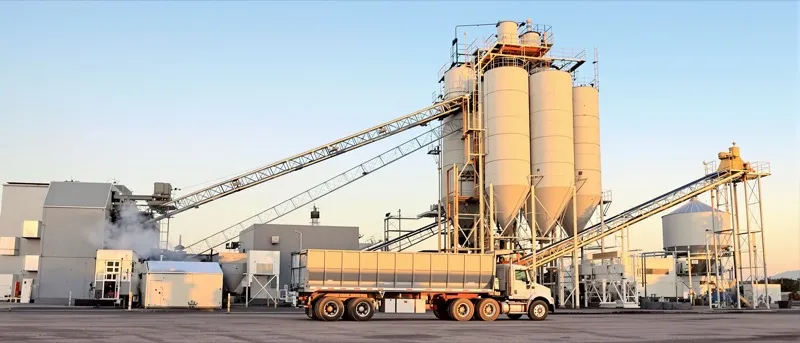
An asphalt plant pickup at EAM follows a simple path: you confirm your mix and pickup window, the plant schedules production, your mix is made and checked, and your truck is loaded and weighed over certified scales before it heads to the job. Knowing each step helps drivers move through quickly and keeps paving crews supplied.
Step 1: Confirm the mix and pickup window
Everything starts with a call or text to the plant at (772) 494-6077. Have this information ready:
- The mix you need, such as SP-9.5, SP-12.5, SP-19 or BM-1 base mix
- The binder grade, if the project specifies one
- Approximate tonnage for the day
- When your trucks plan to arrive and how often
- Whether you need TAC (tack coat) as well
If you are not sure of the tonnage, run your measurements through the asphalt tonnage calculator first. If you are not sure of the mix, describe the application and the team can recommend one.
Step 2: The plant schedules production
Hot mix is made to order and needs to be hot when it reaches your crew. Placing your order ahead of time lets the plant fit it into the production schedule so the mix is ready when your trucks arrive. Lead time depends on the mix and on current demand, so earlier is better, especially for specialty or polymer-modified mixes.
Orders are filled first come, first served during plant hours, Monday through Friday from 8am to 5pm. Hours can vary with the production schedule and project demand, so confirm daily availability. Weekend and after-hours pickup is available by request.
Step 3: Production on the Gencor plant
EAM's plant in Vero Beach runs Gencor equipment, which is known for precise mix control, heat efficiency and clean-burning operation. During production, aggregate is dried and heated, then combined with asphalt binder in the proportions the mix design calls for. Stable temperature control matters here, because mix that leaves the plant at the right temperature gives your crew a full working window for placement and compaction.
Step 4: On-site quality checks
Quality control happens at the plant, not after the fact. EAM's on-site program includes:
- Sampling and testing of mixes during production
- Monitoring mix temperatures and consistency from batch to batch
- Checks against the specifications required for each project
- Documentation for contractor, developer and municipal requirements
Catching an issue in the lab is far cheaper than finding it on the mat. You can read more about the quality program on the services page.
Step 5: Your truck arrives at the plant
When your driver pulls in, plant safety rules apply to everyone on site. Make sure drivers know them before their first trip:
- PPE is required: hard hat, vest and boots
- Eye protection is required
- Follow plant signs and loader directions
- Stay in the designated truck lanes and follow truck-line rules
A driver who knows the routine moves through faster, and so does every truck behind them.
Step 6: Weighing and loadout
Trucks are loaded over FDOT Certified scales for quick and accurate loadouts. In general, a truck's empty weight is subtracted from its loaded weight to get the net tons of mix, and that figure goes on the ticket. Because the scales are certified, every ticket reflects exactly what the truck is carrying, which helps when you reconcile tonnage against the job or bill a client.
Mix is loaded from the plant's silos into the truck bed. Good loading habits help limit segregation, where coarse stone separates from finer material, so drivers should follow the loader operator's directions on positioning.
Step 7: Cover up and hit the road
Once loaded, drivers should tarp the load before leaving to hold heat and protect the mix from rain and wind. The plant sits at 500 2nd St SW in Vero Beach, central to Indian River, Brevard, St. Lucie and Martin counties, so most hauls across the service area stay reasonably short. Shorter hauls mean hotter mix at the paver and faster turnarounds for the next load.
Tips for a smoother pickup day
- Call ahead every time. A quick call confirms your mix is scheduled and the plant is running as expected.
- Stagger your trucks. Spacing arrivals to match your crew's pace keeps mix from cooling in a waiting truck.
- Keep the plant posted. If weather or a breakdown changes your plan, let the plant know so production can adjust.
- Brief new drivers. Safety gear, truck lanes and loader signals should be second nature before they arrive.
- Keep your tickets. Scale tickets are your record of what was delivered.
No trucks? Delivery is an option
If your company does not run its own trucks, delivery can be arranged through local trucking partners, and the plant can connect you with preferred haulers.
Schedule your pickup
Call or text (772) 494-6077 to confirm your mix and pickup window, or send your project details through the contact page.