
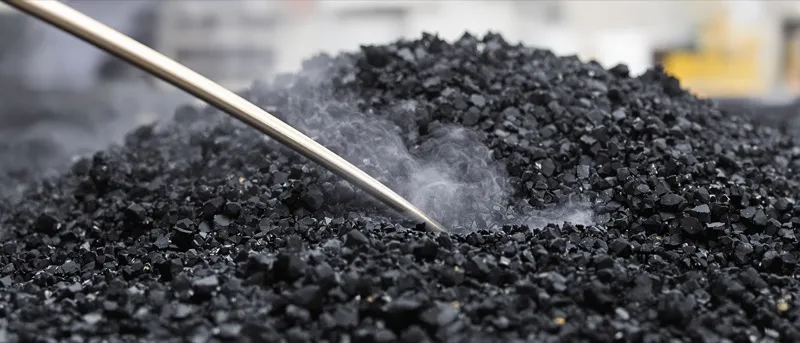
Hot mix asphalt delivery temperature decides whether your crew can reach density before the mat stiffens. Every minute between the plant and the paver costs heat, so the work is to shorten that gap, protect the load in transit and match truck flow to paving speed. Florida's heat helps a little, but wind, rain and long waits at the paver can still cool a load faster than most crews expect.
Why temperature at the paver matters
Asphalt binder gets stiffer as it cools. While the mix is hot, the binder coats the aggregate and lets particles slide into a tight, interlocked structure under the rollers. Once it drops below its working range, rollers stop gaining density and start crushing or shoving the surface instead.
Low density shows up later as problems nobody wants to own:
- Higher air voids, which let water and air into the mat.
- Raveling, where surface aggregate loosens and pulls out.
- Early cracking and moisture damage, especially under Florida's heavy rain.
- Failed density tests on jobs where the owner or agency checks cores.
Your project specification sets the temperature limits that apply to your mix and binder. Polymer-modified binders and some specialty mixes have their own handling ranges, so read the spec and ask the plant before the job starts.
What pulls heat out of a load
Several factors work together. Knowing which ones you control makes planning easier.
Haul time
The longer the truck is on the road, the more heat it loses, especially at the surface and edges of the load. Traffic, detours and construction zones all add minutes you did not budget.
Waiting at the paver
A truck that sits in line for a long time can lose more heat than it did on the drive. Stacking trucks at the site is one of the most common causes of cold loads.
Wind and rain
Breeze off the coast and afternoon showers both strip heat from an uncovered load. Rain on the bed or on the base is a bigger issue than heat loss alone and can stop the job.
Lift thickness and base temperature
Thin lifts cool much faster than thick ones once they are on the ground, which shortens the compaction window. A cool or damp base also draws heat out of the mat from below. Florida summers keep base temperatures up, but early mornings and post-storm conditions can still be cool and wet.
Planning the haul
Most temperature problems are solved before the first truck leaves the plant. A simple plan covers the following:
- Know your tonnage. Estimate it with our asphalt tonnage calculator so you order what the job needs, not a guess that leaves trucks waiting.
- Count round trips. Divide the expected paving rate by what each truck can deliver per round trip, then add a margin for traffic. Too few trucks starve the paver; too many stack up and cool.
- Order ahead. Placing your order early lets the plant schedule production so mix is hot and ready when trucks arrive, instead of trucks waiting at the plant.
- Stagger departures. Space trucks so one arrives as the paver is ready for it, not all at once.
- Pick the route. Avoid known bottlenecks and school zones at peak times when you can.
Protecting the load in transit
- Tarp every load, even on short hauls and hot days. A cover keeps heat in and rain out.
- Keep beds clean and properly coated with an approved release agent so the mix discharges fully and does not leave cold chunks behind.
- Do not stop for unrelated errands with a loaded truck. It sounds obvious, but it happens.
- Check temperature on arrival with a thermometer or infrared gun, and follow your spec on what to do with a load that falls outside the limits.
Working the Florida weather
Summer heat gives you a bit more compaction time, but the same season brings daily storms. Many crews start early to finish surface work before the afternoon build-up. Keep an eye on radar, and do not dispatch more trucks than you can place if a cell is headed your way. A load that sits through a downpour is a load you may not be able to use.
In the cooler, drier months, the weather is easier to predict, but mornings are cooler and breezier, and thin lifts lose heat faster. Adjust truck spacing and roller patterns to match.
How the plant helps
Temperature control starts at the plant. Our Gencor-equipped facility in Vero Beach is built for stable temperature control and consistent batching, and our on-site quality program monitors mix temperatures and consistency from batch to batch. Fast load times and FDOT Certified scales get trucks filled, ticketed and back on the road without long waits.
From Vero Beach, the plant serves Indian River, Brevard, St. Lucie and Martin counties. Pickup runs Monday through Friday, 8am to 5pm, first come, first served, and weekend or after-hours loading is available by request. If you do not run your own trucks, delivery can be arranged through local trucking partners. See our services page for details on pickup and loadout.
Plan your next pour
Tell us the mix, tonnage, haul distance and paving rate, and our team can help you work out timing so your crew stays efficient. Call or text (772) 494-6077, or send your project details through our contact page.