
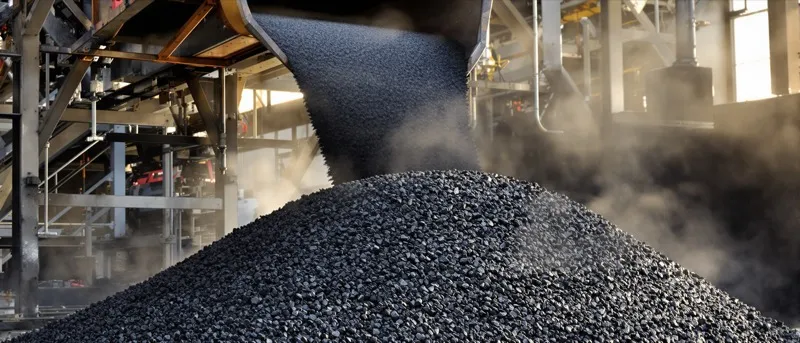
The best way to cut waste when you order hot mix asphalt is to get the quantity right by layer, confirm the mix before trucks roll, and match pickups to the pace your crew can actually place it. Most wasted tons come from rough estimates, loads that sit too long and weather that was not planned for.
Start with a real takeoff, layer by layer
Every ton you order starts as a measurement. Rough numbers lead to either a short order that stops the paver or extra mix that goes to waste.
- Measure each area separately. Drive aisles, parking stalls, aprons and patches often have different thicknesses.
- Treat each lift as its own order line. A structural layer and a surface course are different mixes and should be estimated separately.
- Use compacted thickness. Tonnage is figured on the finished, compacted depth, not the loose depth behind the screed.
The asphalt tonnage calculator turns length, width and thickness into tons using a standard compacted density of 145 pounds per cubic foot. Typical hot mix density runs about 140 to 150, so adjust the density field for your mix and confirm the final number with the plant.
Account for the surface you are paving on
Calculators assume a flat, even surface. Real jobs are not always like that. Ruts, low spots and uneven base all eat extra mix, especially on overlays. Walk the site, note the problem areas and decide whether they need leveling or patching before the main lift. Many estimators carry a small allowance for these conditions, but agree on it as a team rather than padding every order out of habit.
Confirm the mix before the first truck
Picking up the wrong mix is the most expensive kind of waste, because the whole load is unusable. Before paving day, confirm with the plant:
- The gradation, such as SP-9.5, SP-12.5 or SP-19.
- The binder grade, such as PG 64-22, PG 67-22 or PG 76-22 polymer-modified.
- Any project specification the mix has to meet.
- Whether you need TAC (tack coat) for the same job.
If you are not sure which mix fits, the plant team can recommend the mix type, grade, tonnage and scheduling for the application. Mix details are on the specifications page.
Match pickups to your laydown rate
Hot mix has a working window. A load that waits too long behind a slow paver cools down, gets harder to compact and may end up rejected. Ordering everything at once can create that problem.
- Estimate how many tons per hour your crew can place on this job.
- Space truck pickups so mix arrives about as fast as it goes down.
- Keep a person on the phone with the plant to adjust the pace if the job speeds up or slows down.
- Call the last loads based on what is actually left to pave, not the original estimate.
That last point matters. Measuring the remaining area before calling the final trucks is one of the simplest ways to avoid a leftover load at the end of the day.
Keep the mix hot on the way
Temperature loss is waste in slow motion. Cover loads with tarps, keep trucks moving and avoid long staging times at the site. A shorter haul helps too. EAM's plant sits at 500 2nd St SW in Vero Beach, central to Indian River, Brevard, St. Lucie and Martin counties, and the Gencor plant is set up for consistent batching and quick loadout so trucks get back on the road.
Plan for Florida rain
Afternoon storms can shut down a job with loads already on the road. A few habits reduce the damage:
- Check the forecast the night before and again in the morning.
- Front-load the day so most paving finishes before storms typically build.
- Hold back later pickups until you know the weather is clear.
- Never place hot mix on standing water or a soaked base.
Order early and know the minimums
Placing your order ahead of time lets the plant schedule production so the mix is hot and ready when you arrive. Lead time depends on the mix and the current production schedule, so call as early as you can. Order minimums vary by mix type and production run, which matters most for small jobs and specialty mixes. Ask the plant what is needed for your project before you set the schedule.
Use your tickets to check the estimate
Trucks are loaded over FDOT Certified scales, so every ticket reflects exactly what the truck carried. Compare total tickets against the area you actually paved. If the numbers drift from the estimate, find out why. The cause is usually thickness creeping up, a base that was lower than expected or a density figure that did not match the mix. Feed what you learn into the next takeoff.
A simple pre-order checklist
- Areas measured and split by layer
- Compacted thickness confirmed for each layer
- Mix and binder confirmed with the plant
- Pickup schedule matched to crew pace
- Weather checked and a plan for storms
- Tack coat ordered if needed
Order from the Vero Beach plant
Plant pickup runs Monday through Friday, 8am to 5pm, first come, first served, with weekend and after-hours pickup by request. Delivery can be arranged through local trucking partners. Call or text (772) 494-6077 for pricing and availability, or send your project details through the contact page.